
You are here

Home » Zhambyl region nature. West Tien-Shan mountains tourism by nature Kazakhstan.

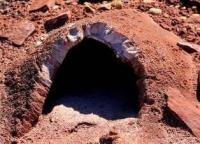
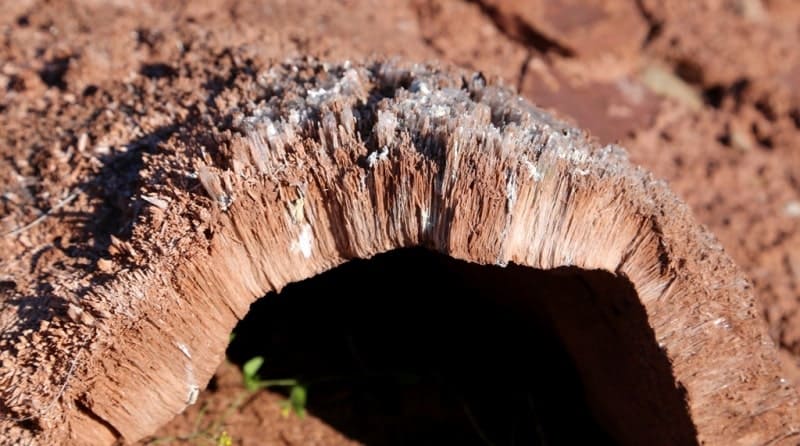
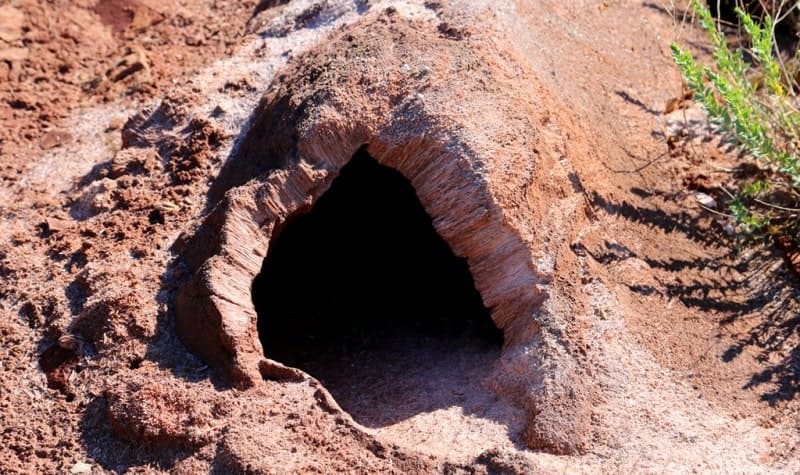
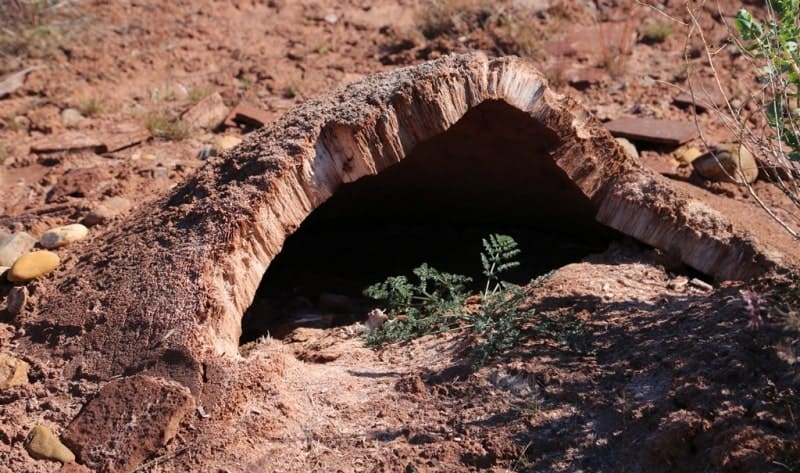
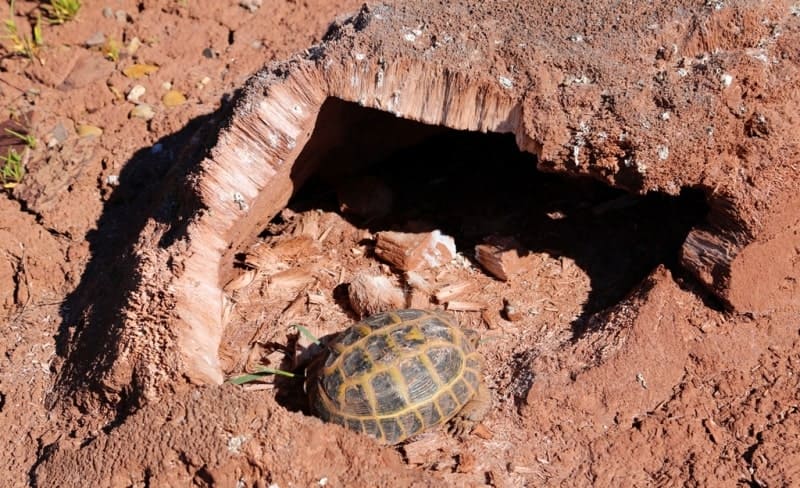
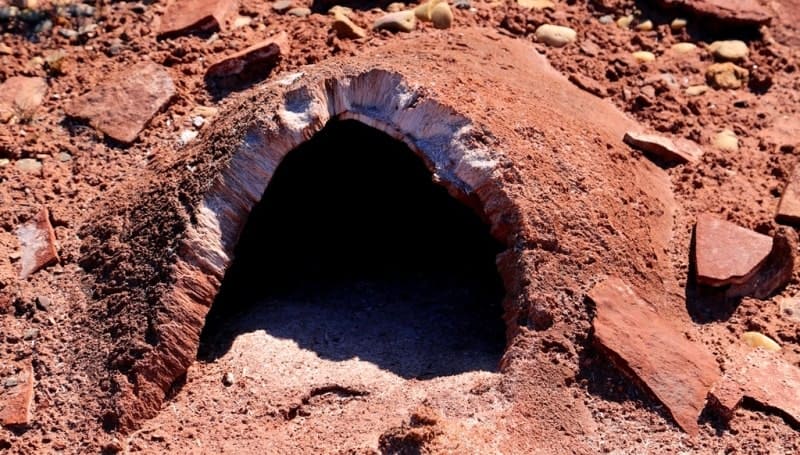
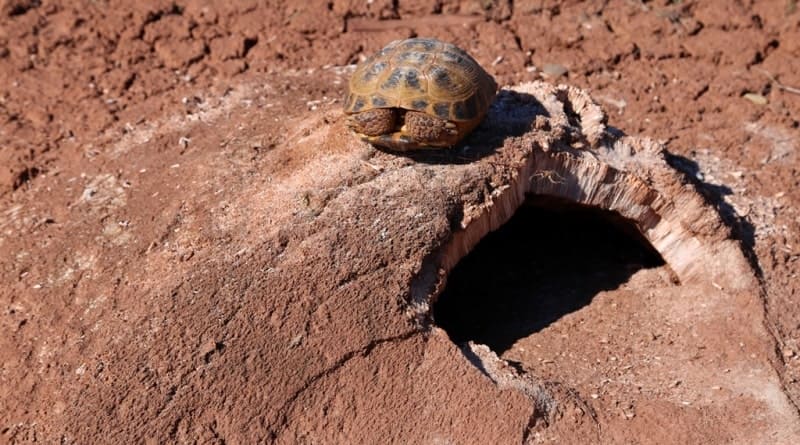
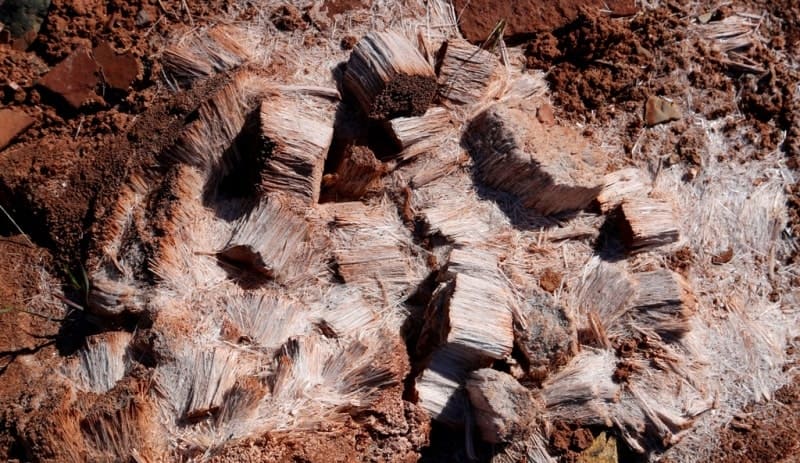
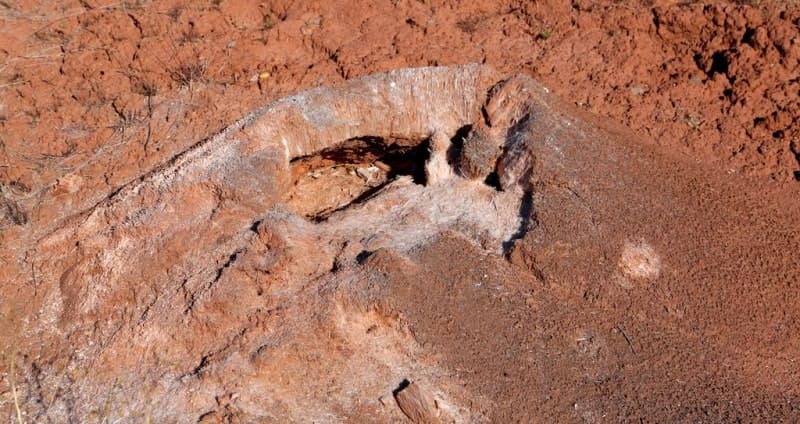
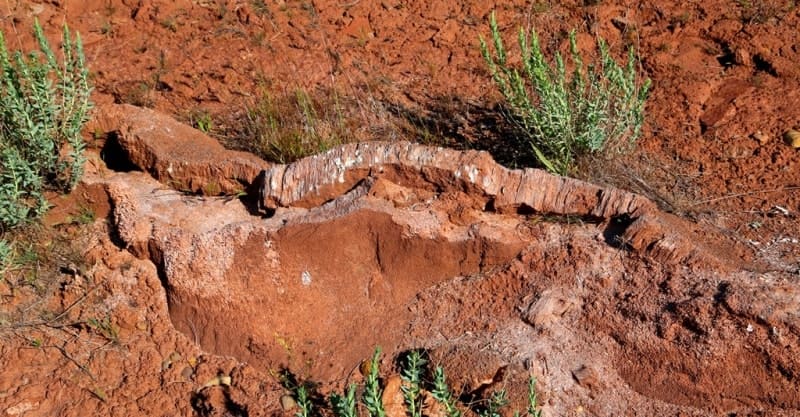
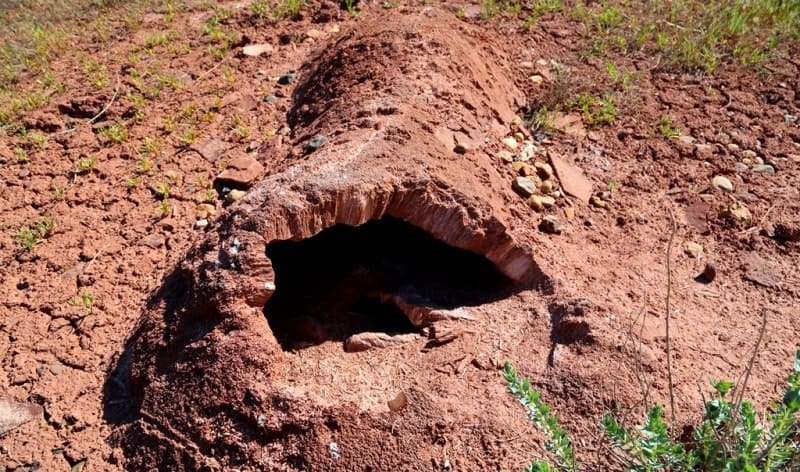
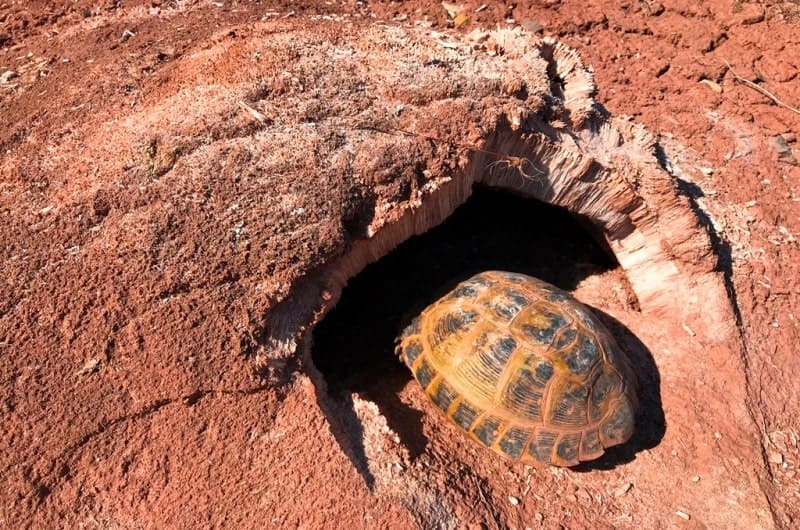
"Clumps of heaving" on Lake Aschikol.

Sights of Talas district in Zhambyl region.

“The Universe is Diversity in Unity"

O. Balzac.

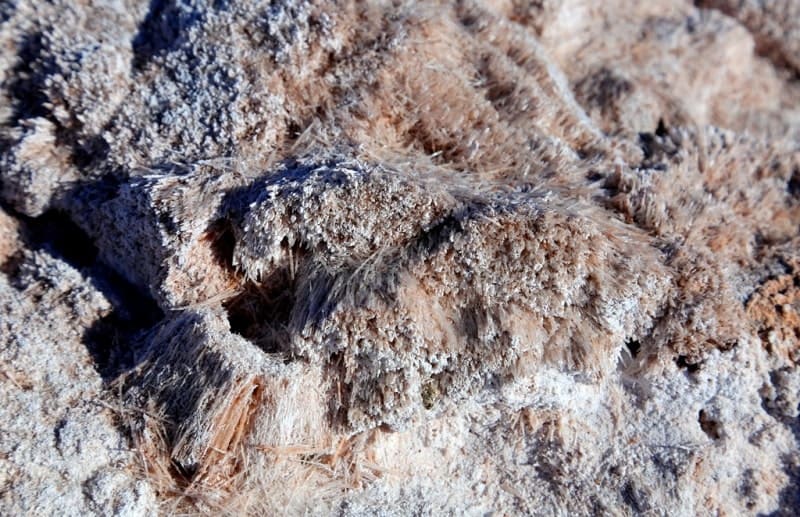
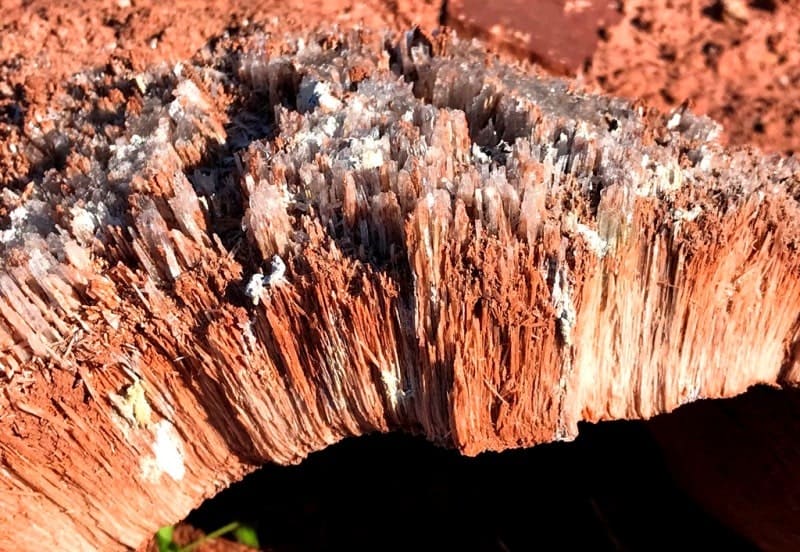
Gypsum crystals on Lake Aschikol.

Gypsum crystalline crust or "heaving mounds" are located on the northern shore of the bitter-salty lake Ashchikol, 50 kilometers to the west and slightly south of the village of Bostanyk, 47.1 kilometers southeast of the Togizkent village, 41.3 kilometers north -east from the town of Karatau in the Talas district of the Zhambyl region.

Also, "heaving mounds" on Lake Ashchikol are located 18 kilometers northwest of the administrative center of Talas district, the village of Akkol. The lake is located at an altitude of 397 m. a. s. l. The length of the lake is 6 kilometers 485 meters, the width of the lake is 5 kilometers 855 meters.
The average depth is 3 meters, the maximum depth of the lake is 4 meters. "Heaving mounds" are usually formed during the transition of anhydrite to gypsum with an increase in volume. In Germany, this phenomenon is called "caves of gnomes"...
In the CIS, when specifying the genesis of heaving mounds, they use the term "bulgunnyakh" (from the Yakut bulgunnyakh - "hill", "top", "mound"), which is synonymous with pingo. Both pingo, and bulgunnyakhs, and tufuras (small mounds of heaving) were formed due to the squeezing out of the active layer by waters under high pressure between the upper boundary and the lower boundary of the layer.
Thus, among many Turkic-speaking peoples, the Pingo-Bulgunnyakhs are called "Tebelers" (from the Turkic - "hill", "crown", "peak").

Geographic coordinates of "heaving mounds" on Lake Ashikol: N43°32'16 E70°36'19
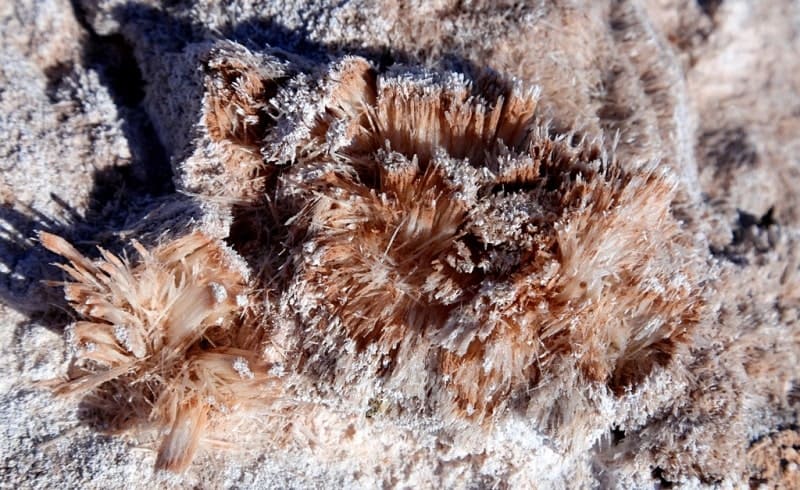
Frost mounds can form as a result of other geological processes, particularly due to gas or gypsum accumulation.In areas rich in organic sediments or oil and gas reservoirs, frost mounds can form due to gas pressure, typically methane.Biogenic gas, which forms in swampy conditions, or deep gas from deposits can accumulate under a layer of impermeable soil.Increased gas pressure causes the overlying layers to rise, forming a dome-shaped elevation.Gypsum frost mounds. On the shores of salt lakes, such as Lake Ashchykol in the Zhambyl region of Kazakhstan, frost mounds formed by gypsum crystallization are found.The growth of gypsum crystals in the soil crust creates pressure that lifts the ground surface, forming characteristic "gypsum mounds" or crystalline crusts.Gypsum crystalline crusts, or "frost mounds," are located on the northern shore of the bitter-salty, endorheic Lake Ashikol.Lake Ashikol is located 50 kilometers west and slightly south of the village of Bostanyk, 47.1 kilometers southeast of the village of Togizkent, and 41.3 kilometers northeast of the city of Karatau in the Talas District of the Zhambyl Region.The frost mounds on Lake Ashikol are located 18 kilometers northwest of the village of Akkol, the administrative center of the Talas District.The geographic coordinates of the frost mounds on Lake Ashikol are: N43°32'16 E70°36'19Many Turkic-speaking peoples call the Pingo-Bulgunnyakhs "Tebelers" (from the Turkic for "hill," "crown," or "summit").Both pingos, bulgunnyakhs, and tuffurs (small frost mounds) were formed by the extrusion of the active layer by waters under high pressure between the upper and lower boundaries of the layer.In the CIS, when specifying the genesis of frost mounds, the term "bulgunnyakh" (from the Yakut bulgunnyakh - "hill," "summit," "mound") is used, which is synonymous with pingos."Frost mounds" usually form when anhydrite transforms into gypsum with an increase in volume.The average depth of Lake Ashchykol is 3 meters; its maximum depth is 4 meters.

Authority and photos by:
Alexander Petrov.